


-
This article was inspired by photographs submitted to the first edition of EVI MONO AWARDS, Two Generations. One Story. Woman. The images prompted a broader reflection on the history of Afghan women's rights, the freedoms once achieved, and the opportunities now being denied to an entire generation of girls.
TEXT/KH
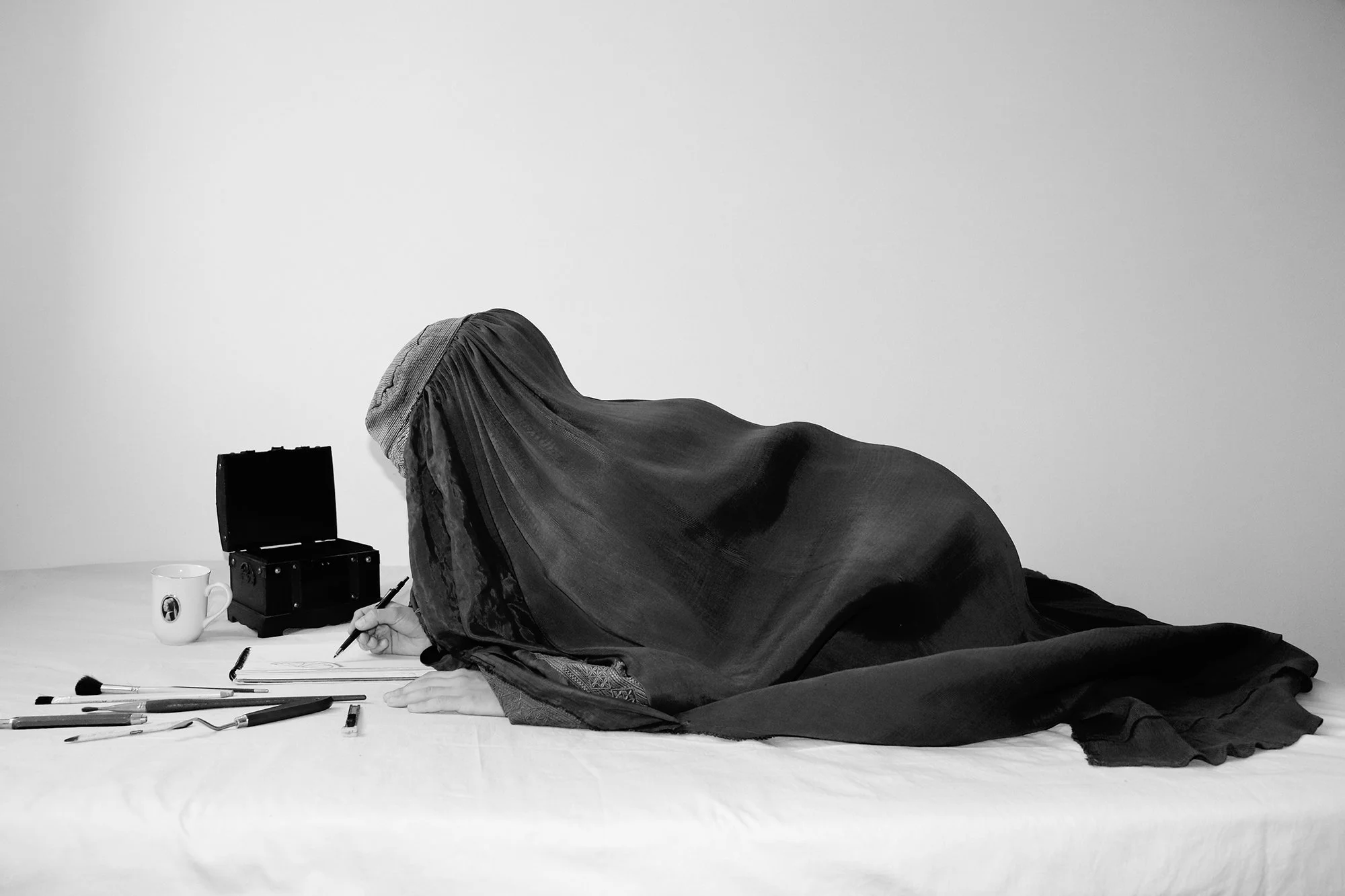
HOW CAN A CENTURY OF PROGRESS BE REVERSED?
History teaches us, often painfully, that fundamental human rights are never guaranteed forever. The freedom to receive an education, pursue one's ambitions and determine one's own future can be taken away, even after decades of progress.
Afghan women have experienced this reality repeatedly. The Taliban's return to power in 2021 marked another devastating reversal, leaving women increasingly excluded from public life and girls facing a future in which their choices are severely restricted.
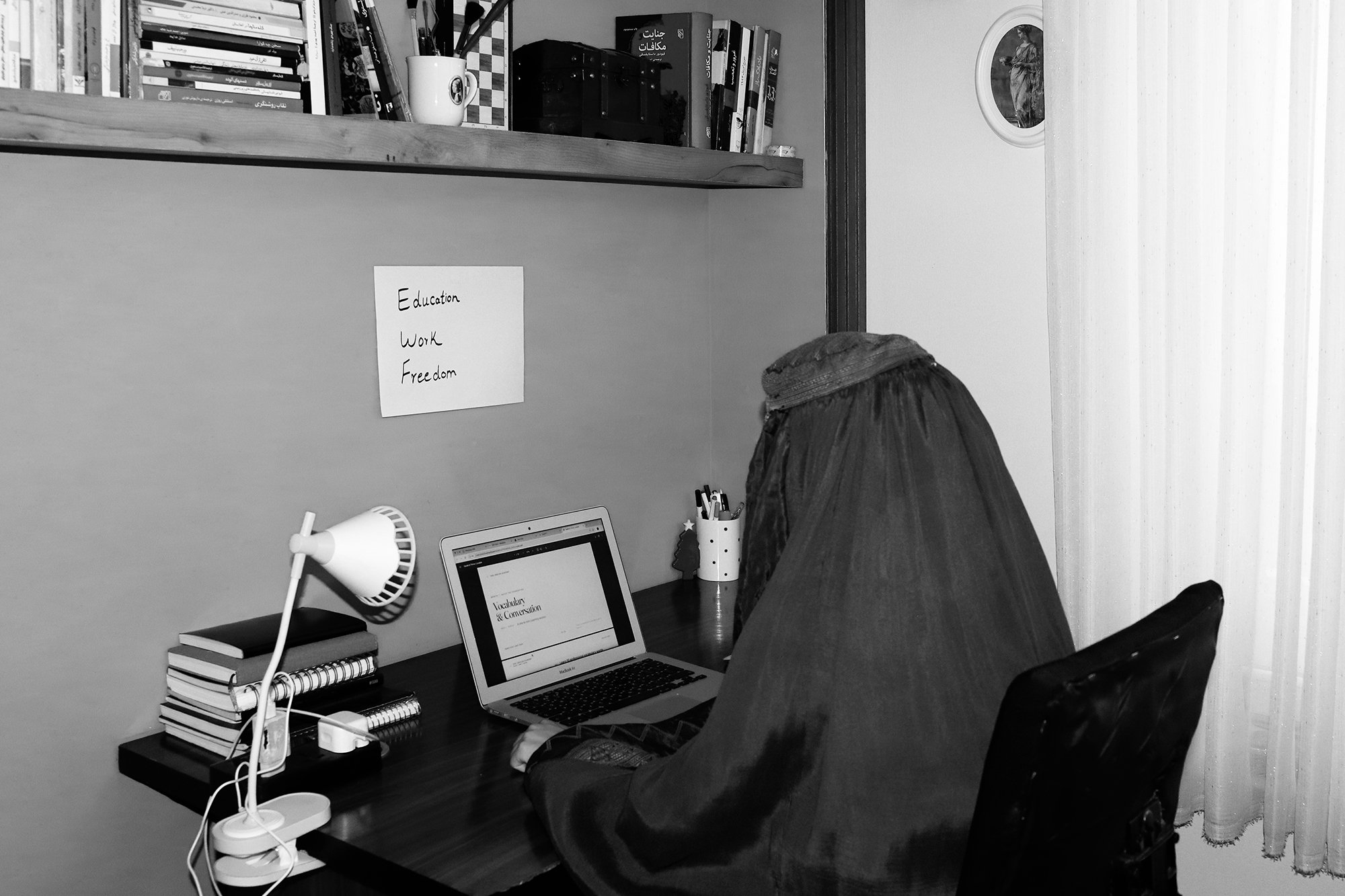
PHOTOGRAPHY / AREZO / Raha (رها) - “Free” in Persian / Afghanistan
A CENTURY OF PROGRESS AND REVERSAL
In the 1920s, King Amanullah Khan and Queen Soraya Tarzi introduced an ambitious programme of reform intended to modernise Afghanistan and expand opportunities for women.
Queen Soraya played a significant role in establishing education for girls, supporting women's healthcare and encouraging their participation in public life. Among her initiatives was the women's magazine Irshad-e Naswan, founded in 1922, which addressed questions of equality, social reform and women's rights.
Although these changes largely benefited women in Kabul and other urban centres, they represented an important departure from established traditions. Following the fall of the monarchy, many reforms were reversed. Yet the movement towards greater equality continued.
In 1964, Afghanistan adopted a constitution that expanded women's political rights and opportunities. Women entered universities, professions and parliament. Photographs from this period reveal a society in which at least some Afghan women could study, work and participate in public life with increasing independence.
However, this progress remained uneven. Outside the cities, deeply rooted social and cultural restrictions continued to shape women's lives.
When the Taliban first came to power in 1996, many of these freedoms disappeared. Women faced severe restrictions on education, employment, movement and access to healthcare. The fall of the Taliban government in 2001 brought renewed opportunities, although legal protections did not eliminate discrimination and violence. Then, in August 2021, the Taliban returned to power.
EDUCATION. WORK. FREEDOM.
Three words that may seem ordinary to those who have grown up with these rights.
Yet freedom is not about the obligation to pursue a career or follow a particular path. It is about the right to choose.
For Afghan girls, that choice has become increasingly inaccessible.
Afghanistan remains the only country where girls and women are formally excluded from secondary and higher education. Restrictions on employment, movement and access to public spaces have further reduced women's independence.
The consequences reach far beyond the classroom. Education shapes not only professional opportunities but also personal identity, financial independence and the ability to participate in society.
For girls growing up under these restrictions, dreams of becoming doctors, lawyers, scientists or teachers are placed beyond reach. At the same time, poverty and weakened protections have increased the vulnerability of girls to early and forced marriage.
Even ordinary childhood experiences are affected. Opportunities to play, practise sport, explore artistic interests and discover individual talents have been severely restricted. What disappears is not simply access to education or recreation, but the freedom to imagine a different life.
THE QUIET RESISTANCE
A hand holding a pencil, emerging from beneath layers of fabric, becomes a quiet act of defiance.
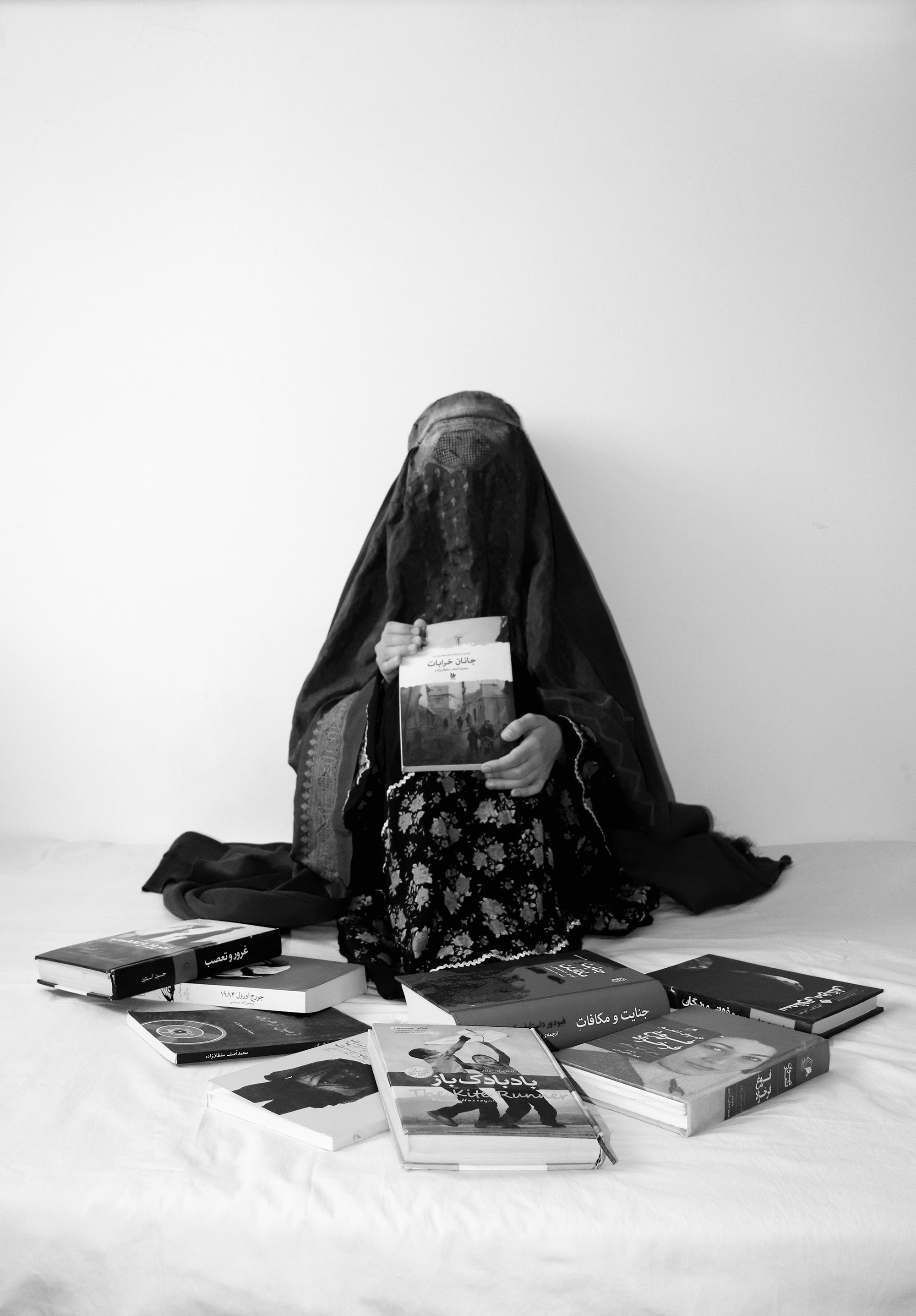
Despite the restrictions imposed upon them, Afghan women and girls continue to seek knowledge and opportunities for intellectual development.
Informal educational initiatives have emerged across the country, offering girls ways to continue learning outside the formal school system.
These efforts exist under considerable pressure and uncertainty. Yet they demonstrate that closing schools cannot extinguish curiosity, ambition or the desire to grow.
For many Afghan girls, continuing to study is more than an educational pursuit. It is a way of preserving their individuality and the possibility of a different future.
Their resistance is not always visible. Sometimes, it exists in the determination to continue learning when society has denied them that opportunity.
PHOTOGRAPHY / AREZO / Raha (رها) - “Free” in Persian / Afghanistan